
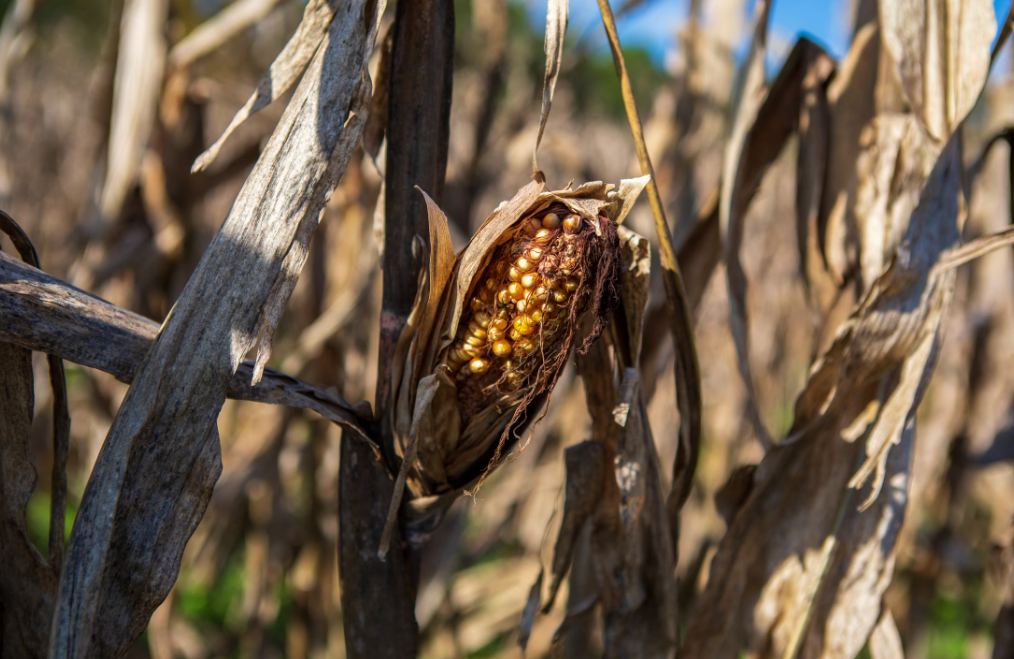
Drought has slashed Kenya’s maize harvest, with FAS Nairobi cutting its MY 2026/27 production forecast by 51% to 2.2 million MT, down from 4.5 million MT previously. The June–July dry spell severely affected key grain-producing counties, including Uasin Gishu, Trans Nzoia, and Nakuru, where nearly half of planted area was reportedly damaged and surviving crops face yield losses.
With maize consumption expected to remain around 4.5 million MT, Kenya is projected to require approximately 2.3 million MT of imports, equivalent to about 25 million 90-kg bags, to cover the shortfall. Tight supply, strong demand, and high transport costs have pushed maize prices up to 20% above average in several markets, while Nairobi wholesale prices are projected to remain 9–19% above the five-year average through January 2027.
Regional sourcing could be difficult as Uganda and Tanzania face their own supply constraints.
Zambia is emerging as a potential alternative supplier, with discussions reportedly considering exports of up to 1.5 million MT.
The government has cut fertilizer and certified seed prices by 50% to boost local output, while early talks are underway to create a Kenya Maize Board to oversee maize trade.